Why Your Teeth Look Yellow Even After Lightening And Just How To Fix It
Do Teeth Lightening Packages Lighten Up Yellow Teeth? Reality You can find out more Revealed Teeth bleaching lightens your teeth and removes stains using components such as hydrogen peroxide. There are several safe and reliable means to bleach your teeth, consisting of professional therapy at your dental professional's office and over-the-counter items you utilize at home. Whichever method you choose, it is very important to seek your dental professional's advice and adhere to the directions carefully. While whitening is extremely reliable for most individuals, it's not the only remedy for discolored teeth. Some spots pass through past the enamel and into the dentin layer, making them more difficult to eliminate with lightening therapies. There's Food Stains an ever-growing array of bleaching products you can purchase the shops, from bleaching strips and pens to mouth washes and toothpastes.
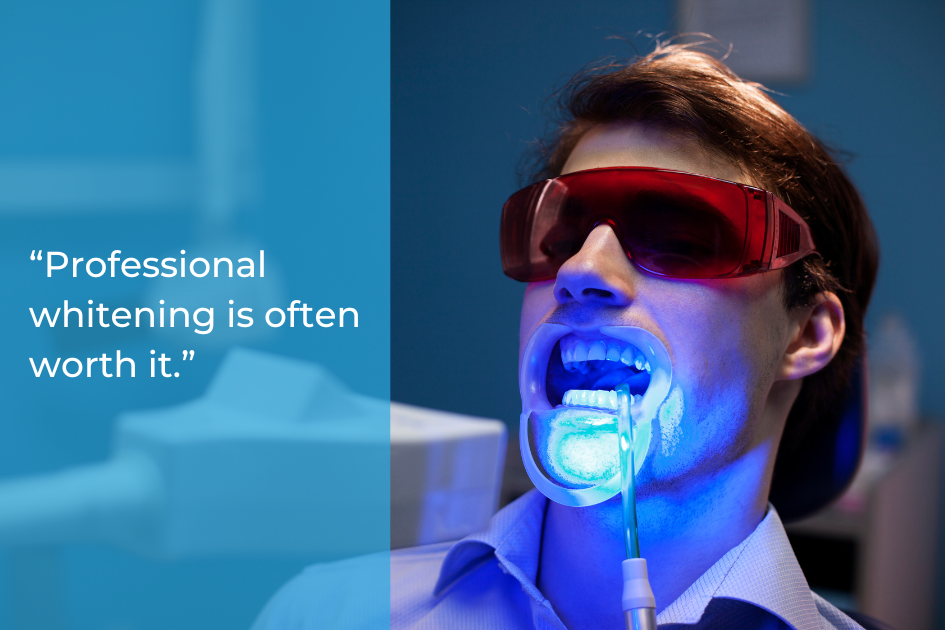
How Specialist Teeth Lightening Works
It's because dentin consists of a yellow color under the tooth enamel. When the enamel obtains thin, teeth become clear and yellow. Check out listed below to know even more regarding yellow teeth after the bleaching session. Dentin is generally a bit softer than enamel and is usually yellowish in color. If you've had no success trying to treat normal tooth discoloration, there's a likelihood that your dentin is yellower than many people's.
Some specialist tooth whitening systems are likewise beginning to use potassium nitrate in their treatments, which is the active component in some level of sensitivity toothpastes, he adds.
When this happens, more of the yellow-colored dentin comes to be noticeable, making the teeth show up discolored also after bleaching.
These tooth pastes have added sprucing up agents that are risk-free for your teeth and offer stain removal effectiveness.
Nonetheless, in many cases, staining may signify enamel thinning or various other oral problems that ought to be reviewed by a dental expert.
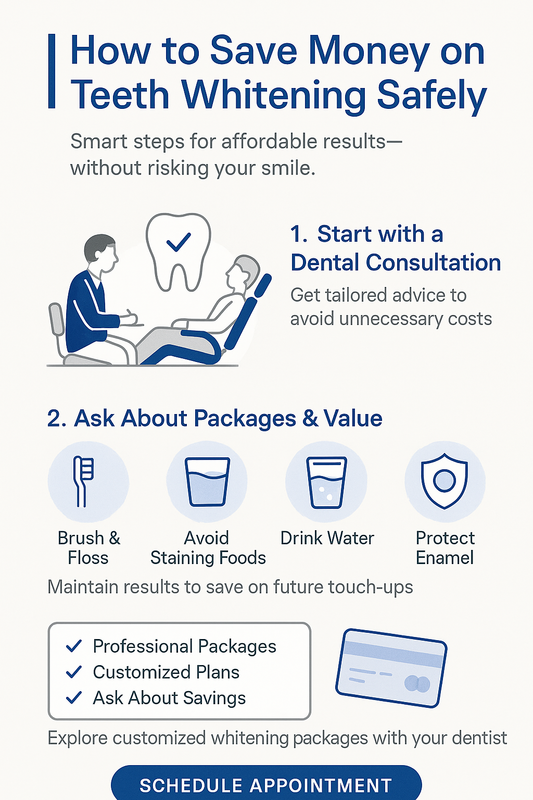
The primary step is setting up an appointment with an oral expert who can assess your teeth and advise the best whitening strategy for your details requirements.
Dentist Supplied Or Administered Tooth Lightening Alternatives
What teeth can not be bleached?
The natural shade of teeth can differ due to numerous variables, consisting of genes, age, and way of living habits. Some people normally have teeth that are darker or have a yellow-colored tint. These teeth might have a denser enamel layer or even more pigmented dentin, making them extra immune to bleaching treatments.
It's additionally safer for your teeth than regularly utilizing over-the-counter bleaching kits. When teeth are naturally yellow, the trouble is generally deeper than that. Normal tooth staining is discoloration of the hard, outer surface of your teeth. This layer is called the tooth enamel and it's the hardest cells discovered anywhere in the body. Under the enamel, there's a various kind of tooth cells called dentin. Yes-- yellowish teeth can definitely be whitened for the most part. Furthermore, prevent foods and beverages that are recognized to create discoloration, such as coffee, tea, and merlot. Some more "natural" bleaching strips do not utilize whitening products however utilize various other bleaching representatives to eliminate spots. While light surface area spots might respond to at-home treatments, much deeper or persistent discoloration generally requires professional bleaching for visible outcomes. Scheduling a check out with your regional Aspen Dental care team is the fastest method to get a customized referral based on your smile and objectives. At-home systems include from 3% to 20% peroxide (carbamide or hydrogen peroxides). Teeth lightening is a procedure to lighten the color of your teeth and eliminate stains. You can have it done at a dental practitioner's workplace, or do it on your own at home.